
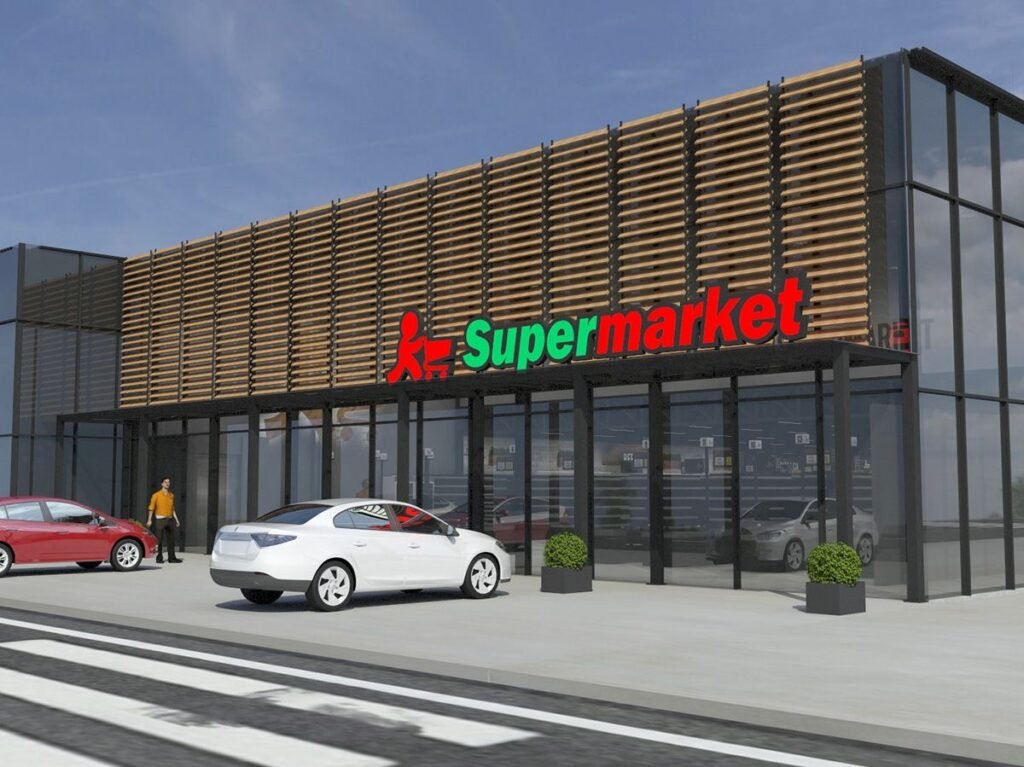
The modern supermarket runs on one promise: reliability.
Reliable freezers. Reliable lighting. Reliable POS systems. Reliable air-conditioning. Reliable cold rooms and security systems. From shelf to checkout, retail success depends on one invisible factor — steady energy.
Across Nigeria, supermarkets now operate more like mini–cold-chain hubs than traditional stores. They run dozens of freezers, chillers, AC units, bakery ovens, deli equipment, scanners, ERP systems, CCTV networks, and extended operating hours. It is a massive, continuous energy load, one that diesel generators can no longer support efficiently or profitably.
As competition intensifies and margins tighten, the stores performing best today are the ones transitioning away from diesel and embracing gas-to-power systems. Not just because gas is cheaper, cleaner, or more predictable, but because it gives retailers the one thing modern operations cannot survive without: consistent, stable, cost-efficient energy.
And with gas reticulation, supermarkets can now power their generators, bakery ovens, deli lines, boilers, and in-store kitchens from one unified energy source. It is transforming how retail works and unlocking savings that directly strengthen margins.
Why Energy Reliability Defines Retail Performance
Supermarkets may look simple from the customer’s point of view — bright aisles, chilled products, functioning POS systems — but behind the shelves is a highly sensitive energy ecosystem. Just minutes of power instability can disrupt the cold chain, slow transactions, create long queues, compromise inventory, and reduce store comfort.
Refrigeration Is the Heartbeat of Retail
Deep freezers, chilled displays, cold rooms, dairy and produce coolers — these compressors must run continuously. Even brief voltage dips cause temperature shifts that lead to spoilage, off-quality products, and financial losses.
AC and Store Comfort
Large-format retail spaces require constant cooling. When diesel dips or overheats, AC units struggle, store comfort drops, and customer dwell time shrinks instantly.
POS, Scanners & Payment Systems
Modern retail depends on uninterrupted digital infrastructure. Any power fluctuation freezes POS terminals and disrupts transactions, leading to abandoned baskets and frustrated shoppers.
Lighting & In-Store Experience
Bright, even lighting defines the shopping environment. Flicker or outage affects ambience, visibility, and perceived quality.
Security & CCTV
Cameras, access control, and servers rely entirely on stable power. Instability creates blind spots and operational risks.
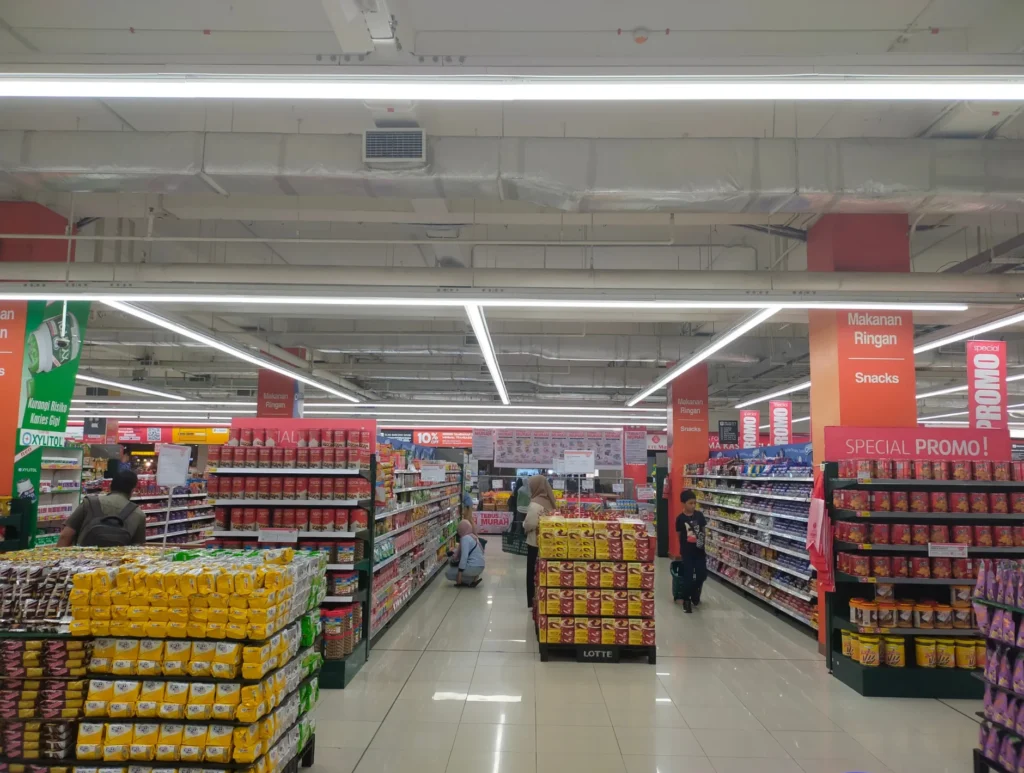
The Diesel Problem: Expensive, Unstable, Unsustainable
For decades, diesel was the default for Nigeria’s supermarkets. But as energy demand grew, diesel became one of the biggest operational threats to retail profitability.
Prices fluctuate unpredictably, destroying financial planning.
Refrigeration loads force diesel generators to burn fuel aggressively.
Voltage instability damages compressors, POS terminals, and AC units.
Noise, heat, and soot strain equipment and deteriorate store ambience.
Logistics issues — adulteration, pilferage, delivery delays — increase risk.
As supermarkets expand, diesel consumption rises exponentially.
Diesel punishes retail growth by making operations expensive, unstable, and difficult to manage.
This is why modern supermarkets, from regional grocers to large-format stores, are switching to gas.
Why Gas-to-Power Is Retail’s Smartest Upgrade
Gas generators deliver the stable, quiet, clean energy that retail systems depend on. Voltage stays consistent, compressors run smoothly, POS networks stop freezing, and AC units work more efficiently. Operating costs fall sharply and remain predictable.
Gas combustion produces no soot, far less heat, and significantly fewer emissions up to 30% less. Equipment lasts longer, maintenance intervals double, and store ambience improves.
With full LPG reticulation, supermarkets can run:
generators
bakery ovens
deli cookers
boilers
rotisserie units
warmers and fryers
…from one safe, efficient, integrated gas network.
In short: gas makes retail operations smoother, simpler, cleaner, and far more cost-efficient.
Case Study: How a Mid-Sized Supermarket Saved Over ₦17 Million Monthly
We recently analysed the operations of a mid-sized supermarket in Asaba operating a 200 kVA diesel generator for an average of 12 hours daily.
The store burned through roughly 18,000 litres of diesel monthly.
At ₦1,250 per litre:
Monthly diesel cost = ₦22.5 million
The heavy refrigeration load, freezers, chillers, and a small cold room, forced the generator to run near-max capacity. Voltage dips damaged compressors and POS terminals, while heat from the generator strained AC performance.
The Switch to LPG
When the same operation was modelled on LPG, consumption stabilised at:
11,400 litres of LPG per month
At ₦486 per litre, monthly gas cost dropped to:
₦5.54 million
Savings unlocked: Over ₦17 million every month
The generator ran quieter, cleaner, and more efficiently. Refrigeration became more stable, freezers held temperature better, and maintenance intervals doubled from 300–400 hours to 700–1,000 hours.
The store experienced fewer equipment failures, fewer POS freezes, and improved overall ambience.
What Supermarkets Can Now Reinvest In
With energy costs slashed, supermarkets gain room to reinvest in the areas that directly improve customer experience and profitability.
1. Stronger Refrigeration Systems
Upgraded freezers, better compressors, improved insulation, and digital temperature monitoring reduce spoilage and improve product quality.
2. Enhanced Store Comfort and Ambience
Better AC systems, improved lighting, and quieter operations create a more pleasant shopping environment, increasing dwell time and sales.
3. Bakery and Deli Expansion
Gas reticulation enables efficient baking, grilling, and hot-food service, high-margin product categories in modern retail.
4. Better Technology & Inventory Systems
ERP systems, POS upgrades, handheld scanners, and cold-chain monitoring become easier to afford and maintain with stable power.
5. Security & Loss Prevention
Stronger CCTV, access control, and improved server uptime reduce shrinkage and operational risk.
Gas-to-power systems and modern LPG reticulation provide cleaner, quieter, more stable energy that protects the cold chain, reduces operational risk, lowers costs, and strengthens the customer experience from end to end.
Supermarkets are not switching to gas because it’s cheaper. They’re switching because it enables better retail.
At Gasavant Africa, we help retailers build that smarter, cleaner, more profitable energy future, from power generation to full gas reticulation.
If your supermarket is ready to cut energy costs, eliminate diesel headaches, and operate more efficiently, the next step is your energy.
Contact us at connect@gasavant-africa.com.
Let’s power retail smarter together.